Your subscriber tries to renew. The card declines. They try another card. Same result. By the third attempt, they’ve moved on to a competitor who accepts crypto or has a payment page that doesn’t trigger fraud alerts.
This is the reality for IPTV providers in 2026. It’s not that your service is bad. It’s that the payment infrastructure you’re using was built for businesses that don’t look like yours.
LegitScript’s monitoring data shows that 75% of IPTV sellers accepting credit cards are engaged in transaction laundering, not because they want to hide, but because direct processing gets shut down so fast that routing through alternative structures becomes the only way to survive. The payment ecosystem has classified IPTV as high-risk, and traditional processors respond accordingly, freezes, reserves, and terminations.
This guide breaks down exactly why IPTV payments fail, what the regulatory landscape looks like in 2026, and how to build checkout infrastructure that keeps your revenue flowing, whether you’re processing cards, crypto, or both.
Why IPTV Payments Get Flagged (And Why It’s Structural)
The Chargeback Problem Is Worse Than You Think
IPTV sits in a category processors call “high-risk” for concrete reasons. Digital delivery happens instantly, customers span every geographic region, and subscription cancellations often turn into chargebacks when the service doesn’t meet expectations .
PayPal explicitly prohibits IPTV in its acceptable use policy and reserves the right to terminate accounts without warning . Stripe’s risk models flag streaming services with dispute rates above roughly 1%, a threshold that IPTV providers regularly exceed due to the nature of subscription entertainment .
The result? Rolling reserves that hold 10% of your revenue for 90-180 days. Then termination letters. Then the scramble to find a new processor that will accept you, at least temporarily.
The Regulatory Squeeze Is Tightening
April 2026 marked a significant shift. Visa’s VIRP (Visa Integrity Risk Program) changes took effect, increasing scrutiny on high-risk merchant categories. Mastercard doubled its annual high-risk merchant registration fee and introduced new per-transaction costs .
For IPTV providers, this means the cost of doing business with mainstream processors is rising, if they’ll accept you at all. Many banks now explicitly refuse IPTV merchants due to “legality concerns” and piracy associations, even for services operating within licensing frameworks.
The Crypto Migration Is Real (But Creates New Problems)
Facing card processing shutdowns, many IPTV platforms have migrated to crypto-only payments. Portuguese piracy networks now offer discounts or extra months to subscribers who pay in Bitcoin or other digital currencies. The logic is straightforward: crypto eliminates chargebacks, bypasses banking restrictions, and offers anonymity that traditional payments can’t match.
But crypto-only creates its own friction. Subscribers who aren’t crypto-native abandon checkout. Those who do pay lose all buyer protection, if the service disappears, their money is gone with no bank to appeal to. And Europol has identified over €47 million in crypto tied to digital piracy networks, meaning the anonymity isn’t as absolute as users believe.
The smart IPTV providers aren’t choosing between cards and crypto. They’re building infrastructure that supports both, with routing that keeps card processing alive when crypto adoption lags.
What Payment Routing Actually Does for IPTV
The Basic Mechanism
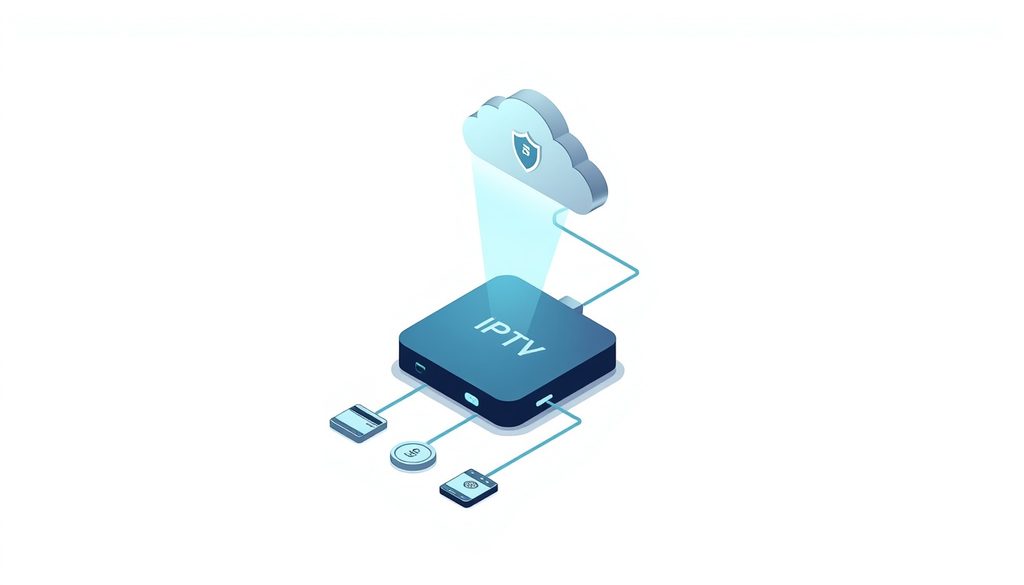
Payment routing separates your customer-facing checkout from your payment processing infrastructure. Here’s how it works:
-
- Subscriber selects a plan on your IPTV website
- They click checkout
- The payment session routes through a clean, low-risk domain with established processing history
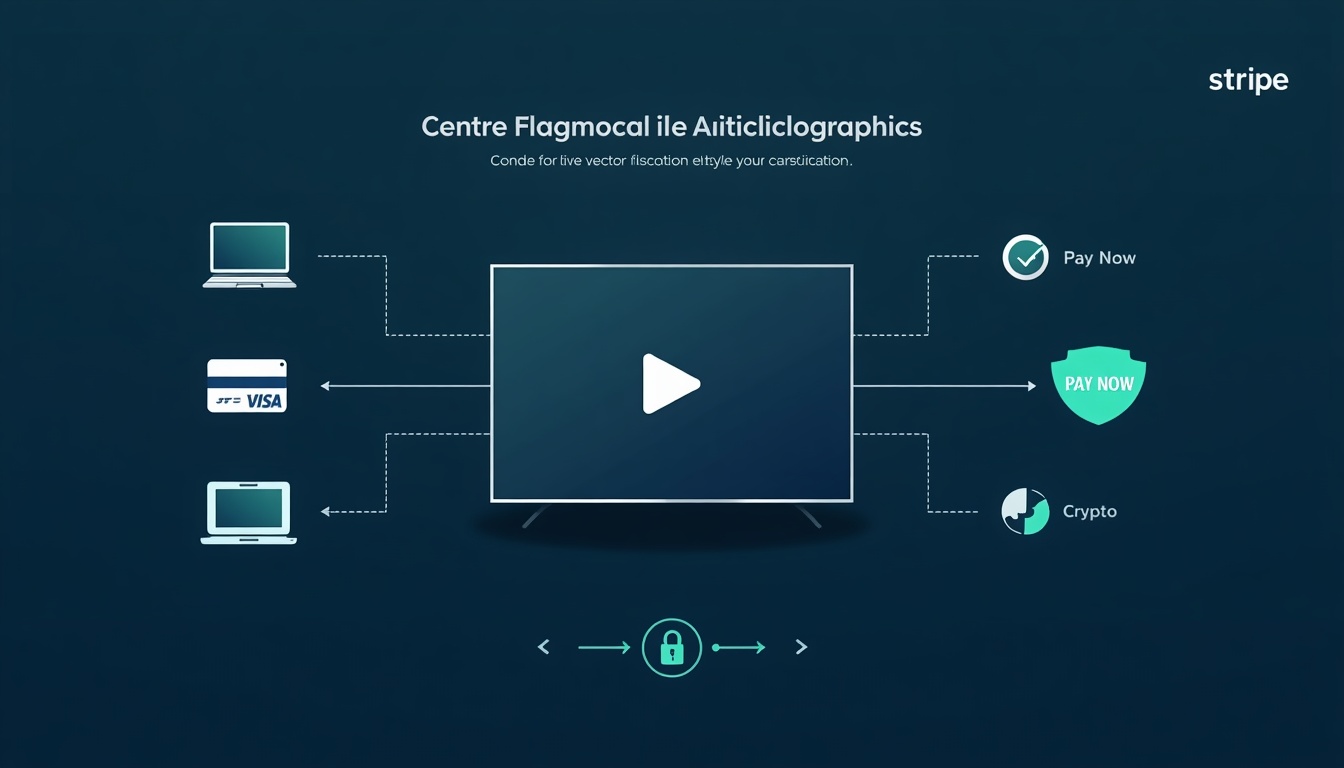
- Payment completes via card, PayPal, or crypto depending on what the domain supports
- Order confirmation syncs back to your IPTV management system
From the subscriber’s perspective, nothing unusual happened. They saw your branding, paid normally, and received access. From the processor’s perspective, the transaction originated from a domain that doesn’t trigger their IPTV-specific risk flags.
How Stealth Checkout Solves the IPTV Payment Problem
Stealth Checkout was built for business models that mainstream processors don’t understand, including IPTV and streaming services that operate legitimately but get flagged by automated risk systems.
What Stealth Checkout Provides
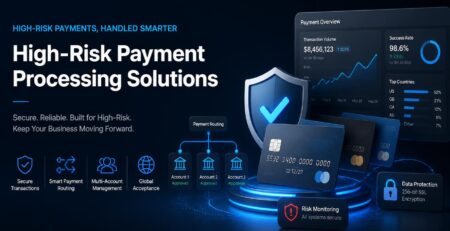
Payment Gateway routing for WooCommerce and custom platforms. Connect Stripe, PayPal, and alternative processors. Stealth Checkout distributes subscription payments across accounts automatically, keeping each below freeze thresholds.
The Cost of Waiting
The IPTV payment landscape is shifting toward stricter compliance and higher risk classifications . Faster onboarding timelines (24-72 hours) are becoming standard, but they come with more scrutiny . Processors that accepted IPTV merchants last year are tightening requirements this year.
Every month you operate without payment redundancy is a month you’re one risk review away from losing subscription revenue. The providers building multi-gateway infrastructure now are the ones who’ll still be processing when the next crackdown hits.
Explore Stealth Checkout for IPTV
Stealth Checkout offers routing infrastructure designed for high-risk subscription businesses. Connect your existing merchant accounts, add crypto payment support, and distribute subscription volume across multiple processing surfaces.
Test the sandbox first. Run test transactions through the routing system without connecting live accounts. See how subscription renewals process, how orders sync back to your IPTV platform, and how multi-gateway distribution handles your volume.
Contact support for a custom setup. If you’re processing subscriptions across multiple IPTV brands or managing recurring billing at scale, the support team can configure a routing structure that fits your infrastructure.
The freeze notices don’t come with warnings. Build payment redundancy before you need it.